October 7, 2026
Navigating Australia Wide Caravan Transport: What You Need to Know
By @53jedroq2z
Why Moving a Caravan Across Australia Takes More Than a Big Vehicle
Moving a caravan from one state to another is not the same as driving it yourself. When you arrange Australia wide caravan transport, you are trusting someone with a home on wheels. A caravan has its own plumbing, gas lines, and fragile fittings. One bad bump or a poorly placed tie-down can crack a wall or snap a water pipe. I have seen it happen. A friend of mine once loaded his own caravan onto a borrowed trailer and lost a window on the Hume Highway. That is the kind of repair that never quite looks right again.
Professional caravan transport is about matching the right equipment to the load. A standard flatbed truck works for many units, but a tilt tray is often better for lower clearance. Some operators use a trailer mover with adjustable cradles. The goal is to spread the weight evenly and keep the chassis straight. If the frame twists during transit, the door might never close flush again.
The Difference Between Interstate Freight and Specialised Caravan Moves
Interstate freight companies move pallets and crates every day. Caravan transport is a different beast. The dimensions are awkward. The centre of gravity shifts if the water tank is full or empty. You also need to account for wind load on a tall box. A flatbed truck with side rails might not be enough. Many operators use a tilt tray with adjustable wheel chocks and multiple tie-downs. The best in the business also check the tyre pressure on the caravan before loading. Flat spots from sitting can cause a wobble at highway speed.
One thing I have learned is that the booking process matters as much as the driving. A good customer portal lets you see available dates, get a quote, and track progress. Without it, you end up on the phone trying to coordinate a pickup between two depots. The Sydney depot might say one thing, and the Melbourne depot says another. That is how delays happen. A unified depot network helps keep everyone on the same page.
What Happens When You Add a Boat or a Car to the Mix
Not every move is just a caravan. Sometimes you need to shift a boat trailer or a car carrier as part of the same load. That changes the logistics. A boat trailer has its own set of challenges. The hull sticks out past the trailer frame, and the outboard motor hangs off the back. You need extra clearance and careful positioning on the tilt tray. A car carrier is simpler but still requires proper blocking so the wheels do not shift. A good operator will use safety chains on the tow hitch and extra straps on the transom.
I once watched a crew load a 24-foot boat trailer onto a flatbed truck. They used a loading ramp that was barely wide enough. The operator had to guide the trailer onto the bed by hand while the driver inched forward. It took twenty minutes. That is the kind of work that separates a careful crew from a rushed one. They also checked the over-dimensional permit before they left. That is not optional. If you exceed width or height limits without a permit, the fines are steep and the delays are worse.
Why GPS Tracking and Insurance Matter More Than You Think
When your caravan is on the road, you want to know where it is. GPS tracking gives you that peace of mind. Most professional carriers now offer real-time tracking through a customer portal. You can see when the truck left the depot, where it stopped for fuel, and when it is due to arrive. That transparency helps if you need to adjust pickup or delivery times.
Insurance is another layer. Even the best driver can hit debris or weather. A proper insurance claim process should be straightforward. You should know before you book whether the carrier covers damage during loading, transit, and unloading. Some policies exclude the interior, which matters if your caravan has a fridge, stove, or water heater. Ask for a certificate of currency before you hand over the keys.
Vehicle logistics companies that specialise in caravan transport usually bundle tracking and insurance into the quote. If they do not, ask why. A carrier that cannot show you their coverage is a carrier you should avoid.
Choosing Between Depots and Door-to-Door Service
Most Australia wide caravan transport providers offer two options: depot to depot or door to door. Depot to depot is cheaper. You drop the caravan at a depot in your city - say the Brisbane depot - and pick it up from another depot near the destination. That works if you have a vehicle to tow it to the depot and a way to collect it at the other end. Door to door costs more but saves the hassle of towing. The carrier sends a tilt tray or flatbed truck to your address, loads the caravan, and delivers it to your chosen location.
I have used both. For a short move within the same state, depot to depot is fine. For a cross-country move like Sydney to Perth, door to door is worth the extra money. The reason is simple: you avoid two trips with a trailer mover. You also reduce the chance of damage from double handling. Every time someone hooks up or unhooks, there is risk.
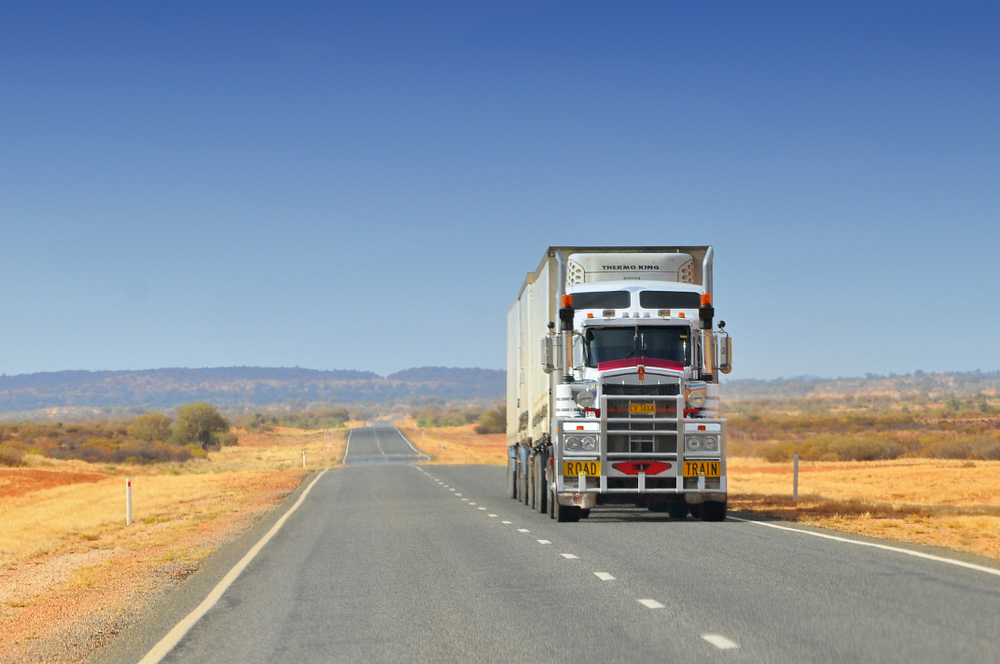
The depot network matters here. If the carrier has depots in Sydney, Melbourne, Brisbane, and Adelaide, you have more options. You can choose the nearest depot and avoid a long detour. Some carriers also offer storage if your delivery date shifts. That is a small thing until your new house settlement gets delayed and you need somewhere to keep the caravan for a week.
What to Look For in a Carrier
Not every trucking company can move a caravan safely. Here are a few things I check before booking:
- Do they use a tilt tray or flatbed truck with proper tie-downs and safety chains? A standard semi-trailer might not have the right anchor points.
- Do they hold an over-dimensional permit if your caravan is wider than 2.5 metres? Most caravans are, so this is common.
- Do they provide a customer portal with GPS tracking and booking history? That shows they invest in the process.
- What is their policy on insurance claims? Get it in writing before you pay.
- How do they handle loading? Ask if they use a loading ramp and whether they strap the wheels or the frame. Strapping the frame is better for the suspension.
I have seen carriers that use a single ratchet strap across the roof. That is not enough. Proper caravan transport uses multiple tie-downs on each corner, plus chains on the hitch. The load should not move even if the driver brakes hard.
Practical Tips for Your First Interstate Caravan Move
If you have never arranged Australia wide caravan transport before, start by preparing the caravan. Empty the water tanks. Propane bottles should be turned off or removed. Secure any loose items inside - cupboard doors can swing open and cause damage. Take photos of the caravan from every angle before loading. That helps with any insurance claim later.
Check the height and width of your unit. Most carriers ask for these numbers. If you are unsure, measure from the ground to the highest point, including air conditioners or antennae. The same for width, including mirrors or awnings. Give the carrier accurate numbers. If you guess low, the driver might show up with a truck that is too small or lack the right over-dimensional permit.
Book early. Caravan transport slots fill up, especially during school holidays and summer. I recommend booking at least two weeks ahead for a standard move. For a complex move involving a boat trailer or a car carrier, give yourself a month. That gives the carrier time to plan the route and arrange permits.
Finally, ask about the driver's experience. A driver who has moved fifty caravans knows how to handle wind, how to check tie-downs at rest stops, and how to back a tilt tray into a tight driveway. That experience shows in the condition your caravan arrives in.
The Bottom Line
Caravan transport across Australia is a specialised job. It requires the right equipment, proper permits, and a crew that understands the load. Whether you are moving a single caravan, a boat trailer, or a car carrier, the same principles apply: secure the load, check the weight, and track the journey. A good operator makes the process feel straightforward. A bad one turns a simple move into a headache. Do your homework, ask the right questions, and your caravan will arrive where it needs to be, ready to roll.
❧